

If you’ve ever spent a few minutes watching online game Crazy Time, you probably had the same thought as everyone else: “There has to be some kind of pattern here.” Bright visuals, a spinning wheel, sudden bonus rounds — it all feels too dynamic to be purely random. That’s exactly why people start searching for Crazy Time Game tricks almost immediately.
The truth is, the game creates a very specific illusion. It looks chaotic, but not completely unpredictable. You might see several low numbers in a row, then suddenly a bonus hits. Or the opposite — bonuses seem to “disappear” for a while. This kind of behavior makes players believe there’s a rhythm they can catch.
Before going any further, it’s worth seeing the game in action if you haven’t already: Crazy Time Game. It’s not just another casino title — it’s more like a live show built around probability. That detail matters more than it seems.
What many players call “tricks” usually comes from trying to interpret short-term outcomes as meaningful signals. But Crazy Time doesn’t work like a game you can read or predict. It’s designed to feel readable, while actually staying mathematically consistent underneath.
So instead of chasing shortcuts, it makes more sense to understand how the system behaves — and why it sometimes feels misleading.


How Crazy Time Works: Rules, Wheel & Bonus Mechanics
At a basic level, the rules are straightforward. You choose where to place your bet, the host spins the wheel, and whatever segment the flapper lands on determines the result. Simple enough — but the details are where things get interesting.
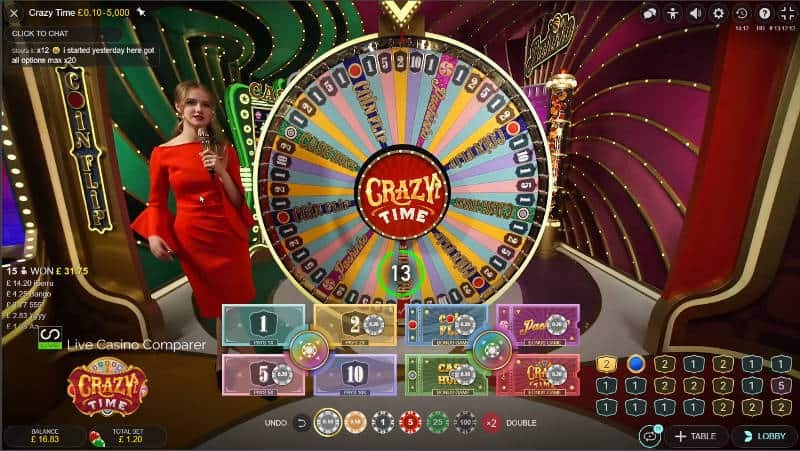
The wheel has 54 segments. Most of them are numbers — 1, 2, 5, and 10 — and these come up far more often than anything else. They don’t pay much, but they keep the game moving. Then there are the bonus rounds, which appear less frequently but completely change the pace when they hit.
A typical round goes like this:
- players place bets before the spin starts
- the wheel spins with increasing speed
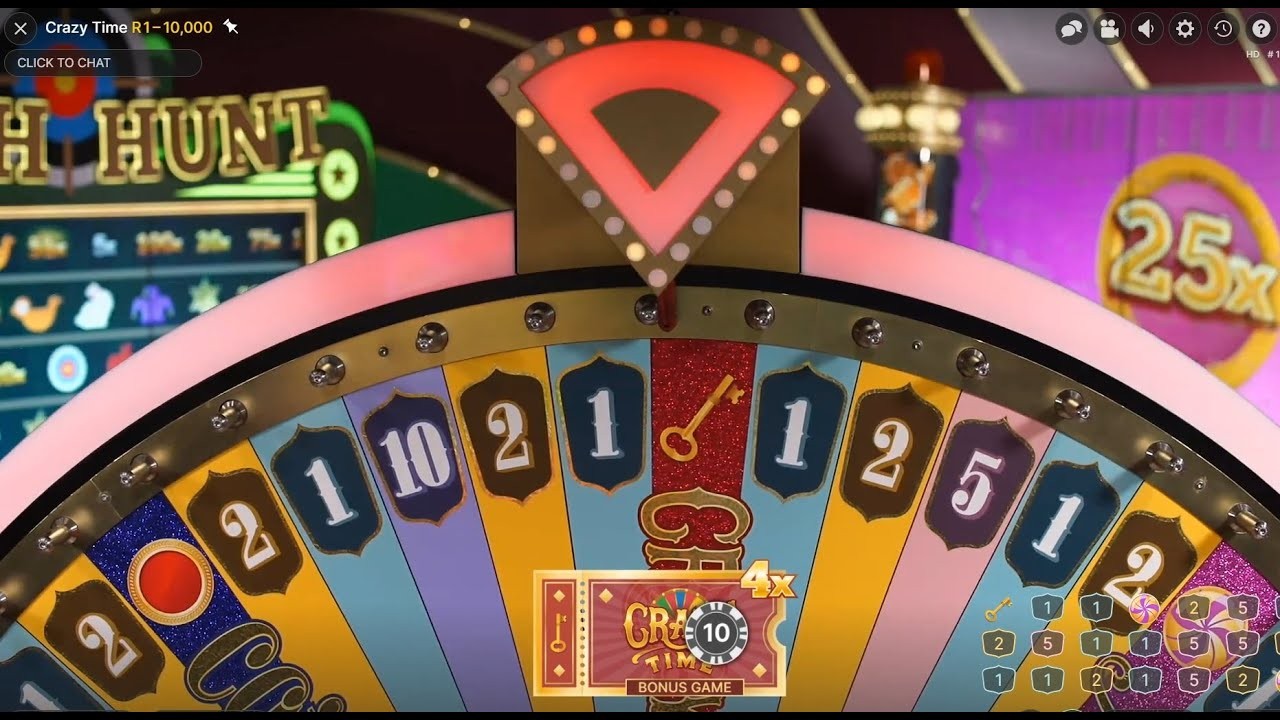
- the flapper clicks through segments and eventually stops
- if it lands on a bonus, a separate game begins
Those bonus rounds are what people come for. Each one has its own style:
- Coin Flip feels quick and straightforward — two sides, different multipliers
- Cash Hunt adds a bit of interactivity with hidden values
- Pachinko brings in vertical movement and bigger potential swings
- Crazy Time itself is the main attraction, with multiple layers and the chance for very large wins
Here’s the part that often gets overlooked: none of these features change the underlying math. The game runs on a fixed RTP, usually around 96%. That doesn’t mean you’ll get anything close to that in a short session — it’s a long-term figure. In practice, results can swing quite a bit in either direction.
This is where expectations start to drift away from reality. The presentation makes it feel like something special is “about to happen,” but the wheel doesn’t build momentum or follow trends. Every spin starts from zero, regardless of what happened before.
Crazy Time Odds and Payout Table
Once you stop focusing on the visuals and look at the numbers, the game becomes much easier to understand. The wheel isn’t evenly balanced — and that’s intentional.
Here’s a breakdown of how the segments are distributed:
| Segment | Number of Slots | Approx. Probability | Payout |
| 1 | 21 | 38.9% | 1:1 |
| 2 | 13 | 24.1% | 2:1 |
| 5 | 7 | 13.0% | 5:1 |
| 10 | 4 | 7.4% | 10:1 |
| Coin Flip | 4 | 7.4% | Variable |
| Cash Hunt | 2 | 3.7% | Variable |
| Pachinko | 2 | 3.7% | Variable |
| Crazy Time | 1 | 1.9% | Variable |
A quick glance already tells the story. Nearly 40% of spins land on “1”. Add “2” to that, and you’re looking at the majority of outcomes being relatively small wins.
The bonus rounds — the ones everyone waits for — are much rarer. The main Crazy Time bonus shows up, on average, less than 2 times in 100 spins. That’s why it feels so exciting when it finally hits.
This imbalance explains a lot of player behavior. After a long stretch without bonuses, it’s tempting to think one is “overdue.” But probability doesn’t keep track of past spins. The next result doesn’t care what happened five seconds ago.


Do Crazy Time Game Tricks Really Work?
This is where expectations usually collide with reality.
There’s no reliable set of Crazy Time Game tricks that can consistently beat the game. No timing method, no pattern tracking, no “secret system” that turns it into a predictable experience. The wheel doesn’t adapt, and it doesn’t react to how people bet.
What actually happens is simpler. Players notice short streaks and try to build logic around them. For example, if several low numbers appear in a row, it starts to feel like a bonus is coming next. Or if a bonus just hit, it feels less likely to happen again soon. Both ideas sound reasonable — but neither reflects how the system works.
In reality:
- the wheel has no memory
- each spin is independent
- probabilities stay the same at all times
That said, not everything people call “tricks” is useless. Some approaches can make the experience more controlled. Adjusting bet size, spreading risk, or deciding when to stop — these things don’t change the outcome of a spin, but they do change how your session plays out.
That’s the key difference. You can’t influence the result, but you can influence how you interact with it. And that’s where a practical Crazy Time Game strategy starts to make sense — not as a way to win every time, but as a way to avoid unnecessary losses and keep the game enjoyable.

Proven Crazy Time Game Strategy (That Actually Makes Sense)
Let’s be honest: most people start looking for a strategy after a few unlucky spins. It’s a natural reaction. The game feels dynamic, almost like it should be “figured out” with the right approach.
But a realistic Crazy Time Game strategy is much simpler than most people expect. It’s not about decoding the wheel — it’s about how you behave while playing..
Players who handle the game better usually stick to a few grounded habits:
- Decide your limit before you even place the first bet. Not in the middle of the session — before it starts.
- Spread your bets instead of going all-in on one idea. A mix of numbers and bonuses can smooth things out a bit.
- Skip rounds when you feel unsure. There’s no rule that says you must bet every spin.
- Treat wins as a reason to pause, not to double down immediately.
- Accept that some sessions will simply not go your way — and that’s normal.
None of this will “beat” the game. But it changes the experience completely. You stop reacting emotionally and start playing with some structure.


Popular Playing Styles (From Safe to High-Risk)
If you watch different players long enough, you’ll notice something interesting: everyone develops their own rhythm.
Some people play cautiously, others go straight for big wins. Most styles fall somewhere in between:
- Conservative play. Small, steady bets on 1 and 2. It’s not exciting, but it stretches your balance and keeps things predictable.
- Mixed approach. A bit on numbers, a bit on bonuses. This is probably the most common way people play once they gain some experience.
- Bonus chasing. Almost everything goes into Coin Flip, Pachinko, or Crazy Time. It’s more thrilling, but also more unstable.
- Aggressive betting. Larger stakes, fewer selections, higher pressure. This style can either pay off quickly or end just as fast.
There’s no universal best option here. What matters is how comfortable you feel during the session. If the swings make you uneasy, that’s already a sign to adjust.
Expert Insight: What Professionals Say About Crazy Time
Instead of guessing how the game works, it helps to look at how the people behind it describe it.
Todd Haushalter, Chief Product Officer at Evolution, once explained the idea behind games like Crazy Time: “Players want excitement and unpredictability, but everything is designed within strict mathematical boundaries.” Source: Gambling Insider interview with Evolution
That sentence sums it up better than any forum theory. The game is meant to feel spontaneous, even chaotic at times. But underneath, it follows fixed rules that don’t change depending on how or when you bet.
So when people talk about patterns or “good timing,” they’re usually reacting to short-term outcomes — not something built into the system.

Tips to Avoid Common Mistakes in Crazy Time
A lot of frustration in this game doesn’t come from losing — it comes from how losses happen.
One common issue is trying to recover too quickly. After a few bad spins, increasing your bet might feel logical, but it usually makes things worse.
Another common mistake is reading too much into streaks. A run of low numbers can feel like a setup for something bigger, but the wheel doesn’t work in sequences like that.
Some players also focus only on bonuses. It sounds exciting, but those rounds don’t appear often. Without balance, your bankroll can disappear faster than expected.
And then there’s the simplest mistake: playing without a plan at all. No limits, no pauses, no structure — just reacting to what happens. That’s where things tend to spiral.
Avoiding these doesn’t guarantee success, but it makes your sessions far more controlled — and honestly, a lot less stressful.
Conclusion: Smart Play vs Gambling Illusions
Crazy Time is built to entertain. That’s the main point. The fast pace, the visuals, the sudden bonus rounds — everything is designed to keep you engaged.
But once you step back and look at it calmly, the picture becomes clearer. There are no reliable Crazy Time Game tricks that can change the odds in your favor.
What you can control is your approach. How much you bet, how long you play, when you stop — these decisions matter more than trying to “outsmart” the wheel.
In the end, online game Crazy Time becomes much easier to handle when you stop chasing patterns and start paying attention to your own behavior. That shift alone changes the entire experience.
FAQ
Is there a guaranteed Crazy Time Game strategy?
No, and it’s better to accept that early. The wheel doesn’t adjust to your bets, and it doesn’t “reward” certain patterns. Some sessions go well, others don’t — that’s just how the game behaves over time.
What is the safest way to play Crazy Time?
If you want to play longer without big swings, sticking mostly to the lower numbers like 1 and 2 is the calmer option. It won’t bring big wins, but it helps avoid those moments where your balance drops too fast.
Are bonus rounds worth betting on?
They’re fun, no doubt, and that’s why people chase them. But they don’t show up often. If you put everything on bonuses, be ready for quiet stretches where nothing happens for a while.
Can you win consistently in Crazy Time?
Not really in a steady, predictable way. You might have a good run, but repeating that over and over isn’t something players manage to do. The results change too much from session to session.
Why does it feel like a bonus is “about to hit”?
That feeling comes from watching a long stretch without one. It’s easy to think something big is due, but the next spin doesn’t depend on the previous ones. It just feels that way.
How should I manage my bankroll in Crazy Time?
Keep it simple. Decide how much you’re okay losing, split it into smaller parts, and don’t start increasing bets just because things aren’t going your way. Having a stop point helps more than any “system.”