





















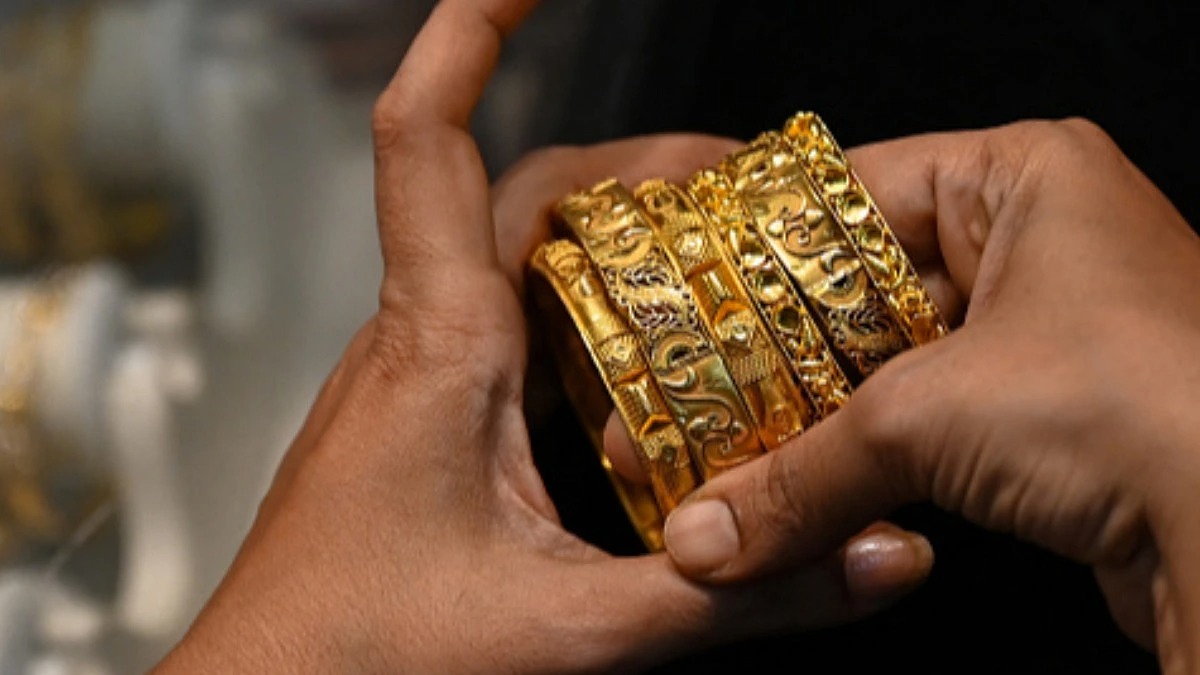
India’s jewellery retail sector has been quietly transforming over the last decade, moving away from a fragmented, largely unorganized market toward larger chains with standardized pricing, hallmarking compliance, and multi-city presence. Against that backdrop, the lalitha jewellery ipo has caught the attention of market watchers tracking how regional jewellery retailers are increasingly turning to public markets to fund expansion.
Why Jewellery Retail Is Consolidating
Gold and jewellery buying in India has traditionally run through small, family-owned stores passed down across generations. That’s changing for a few clear reasons:
- Mandatory hallmarking rules have raised compliance costs, favoring larger players with dedicated infrastructure
- Customers increasingly prefer branded stores offering standardized making charges and buyback policies
- Access to organized credit and working capital has become easier for listed or soon-to-list companies
- Urban expansion into tier-2 and tier-3 cities requires capital that private ownership alone often can’t support
These shifts have pushed several regional jewellery chains to consider public listings as a way to fund store expansion, inventory buildup, and brand-building efforts simultaneously.
What Sets Jewellery Retailers Apart From Other Consumer Businesses
Unlike typical consumer goods companies, jewellery retailers carry unusually high working capital requirements because gold inventory itself represents a large share of invested capital. Margins tend to be thinner on a percentage basis compared to other retail categories, but volumes and repeat purchases — driven by festivals, weddings, and gifting occasions — can offset that over a full year. Understanding this working capital cycle is fairly important when evaluating any company in this space, since inventory turnover and gold price volatility directly affect reported profitability from one quarter to the next.
Reading Beyond the Headlines
Retail investors evaluating any offering in this sector often focus heavily on brand recognition and store count, but a more complete picture usually requires looking at same-store sales growth, debt used to fund gold inventory, and how much revenue comes from making charges versus pure gold value. These numbers, typically buried a few pages into the prospectus, tend to matter more for long-term performance than the buzz generated in the days leading up to listing.
For those wanting a broader view of what’s currently open or expected to open in the primary market, the general ipo listings page offers a running summary of price bands, dates, and lot sizes across sectors, which can be useful for comparing a jewellery-sector offer against issues from unrelated industries.
Seasonal Demand and Its Effect on Numbers
Jewellery sales in India are famously seasonal, with a large share of annual revenue concentrated around festivals such as Diwali and Akshaya Tritiya, along with the wedding season that typically runs from late autumn through early summer. This seasonality can make quarterly comparisons somewhat misleading if viewed in isolation, which is why analysts covering this sector generally prefer looking at year-on-year trends rather than sequential quarterly movement.
As with any consumer-facing retail business tied closely to a single commodity, gold price fluctuations, import duty changes, and shifting consumer preferences toward lighter, more affordable jewellery designs are all factors that can influence performance well beyond the listing period itself.