




















Introduction
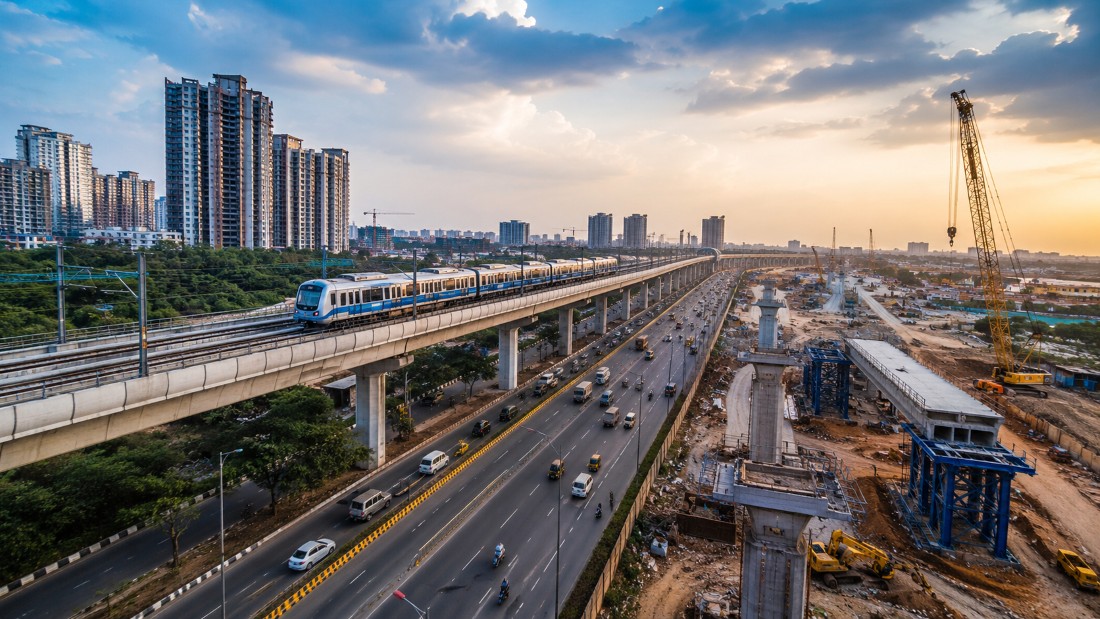
India is experiencing one of the most significant infrastructure transformations in its modern history. Across the country, new highways, airports, metro networks, industrial corridors, and digital connectivity projects are reshaping how people live, work, and do business. The pace of development has attracted attention from investors, entrepreneurs, and citizens alike. Just as innovative digital platforms such as Platform CroreWin focus on improving user experiences through accessibility and technology, India’s infrastructure initiatives are designed to create stronger connections and unlock new opportunities for growth.
The impact of these projects extends far beyond construction sites. They are helping build the foundation for a more connected and competitive economy.
A New Era of Connectivity
Infrastructure is often described as the backbone of economic development, and for good reason.
Efficient transportation systems reduce travel times, improve logistics, and make it easier for businesses to move goods across regions. At the same time, modern infrastructure helps citizens access jobs, education, healthcare, and public services more conveniently.
Major projects currently transforming India include:
- Expressways connecting key economic regions;
- Expanding metro rail systems in major cities;
- Modernized airports and aviation hubs;
- High-speed freight corridors;
- Improved rural road networks.
Together, these developments are creating stronger links between urban and rural areas.
Benefits for Businesses
Businesses are among the biggest beneficiaries of infrastructure investment.
When transportation networks improve, companies can reduce operational costs and improve efficiency. Faster logistics allow products to reach customers more quickly, while better connectivity helps businesses expand into new markets.
For entrepreneurs and growing enterprises, improved infrastructure can lead to:
- Lower transportation expenses;
- Faster delivery times;
- Greater access to customers;
- Enhanced supply chain reliability;
- Increased investment opportunities.
These advantages make it easier for businesses to scale and compete both domestically and internationally.
The Rise of Industrial Corridors
Industrial corridors are becoming an important part of India’s economic strategy.
These large-scale development zones are designed to attract manufacturing, logistics, and technology investments. By combining transportation infrastructure with industrial development, the government aims to create business ecosystems that encourage innovation and job creation.
Many experts believe these corridors will play a crucial role in supporting India’s long-term economic ambitions.
The combination of modern infrastructure and business-friendly environments creates attractive conditions for both domestic and foreign investors.
Improving Everyday Life for Citizens
Infrastructure development is not only about economics. It also has a direct impact on daily life.
For many citizens, new transportation networks mean shorter commutes and better access to opportunities. Improved public infrastructure can also enhance safety, convenience, and overall quality of life.
Some of the most noticeable benefits include:
- Reduced travel times;
- Better public transportation;
- Improved access to healthcare facilities;
- Greater educational opportunities;
- Enhanced regional connectivity.
These improvements contribute to stronger communities and higher living standards.
Digital Infrastructure Is Equally Important
While roads and railways receive significant attention, digital infrastructure has become just as important in today’s economy.
India’s expanding internet connectivity and digital services ecosystem are enabling businesses and individuals to participate more actively in the digital economy.
This growth supports:
- Online education;
- Digital payments;
- Remote work;
- E-commerce;
- Financial inclusion.
As internet access continues to expand, millions of people gain access to services that were previously difficult to reach.
Technology and Economic Growth Go Hand in Hand
Modern infrastructure increasingly relies on technology.
Smart traffic systems, digital monitoring tools, automated logistics solutions, and data-driven planning are becoming standard features of large projects. Technology helps improve efficiency while reducing costs and delays.
Interestingly, the same focus on user-friendly digital experiences can be seen across many online industries. Whether someone is navigating financial services, e-commerce platforms, or exploring features within the Casino Section of CroreWin, technology continues to play a central role in improving accessibility and convenience.
The broader lesson is clear. Infrastructure and technology are becoming increasingly interconnected.
Attracting Investment and Creating Jobs
Large infrastructure projects often generate economic activity beyond their immediate purpose.
Construction projects create jobs, stimulate local businesses, and encourage private sector investment. Once completed, these assets continue supporting economic growth by enabling commerce and productivity.
Investors are often attracted to regions with:
- Reliable transportation networks;
- Strong digital infrastructure;
- Efficient logistics systems;
- Skilled workforces;
- Stable business environments.
As infrastructure improves, many regions become more attractive destinations for new business ventures.
Challenges and Opportunities Ahead
Despite impressive progress, infrastructure development remains an ongoing process.
India’s growing population and expanding economy will require continued investment in transportation, energy, water management, and digital services. Planning for future demand will be essential to maintaining momentum.
At the same time, these challenges present opportunities for innovation, entrepreneurship, and public-private collaboration.
The next phase of development could further strengthen India’s position as one of the world’s fastest-growing major economies.
Conclusion
India’s infrastructure boom is creating meaningful benefits for both businesses and citizens. Improved transportation, stronger digital networks, and large-scale development projects are helping connect communities, support economic growth, and create new opportunities across the country.
As these investments continue to take shape, their impact is likely to be felt for decades to come. For businesses, they provide a stronger foundation for expansion and innovation. For citizens, they offer improved access, convenience, and quality of life. Together, these developments are helping build a more connected and prosperous future for India.